
How it works
A card can offer the first words
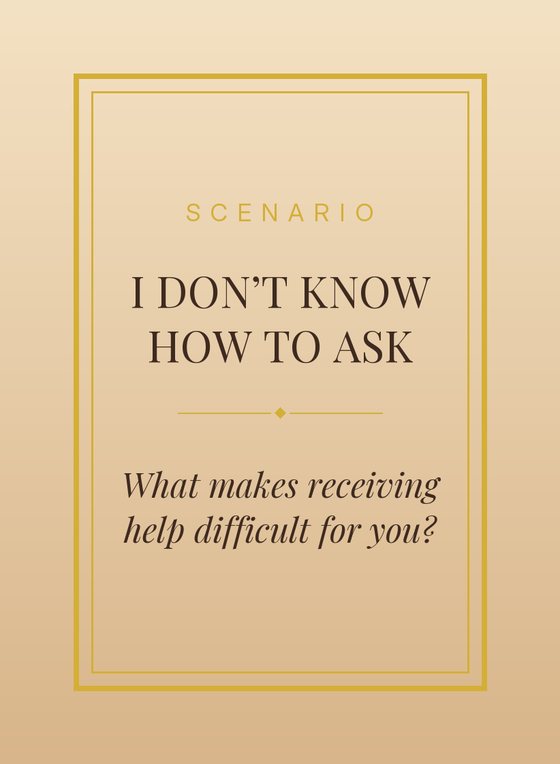
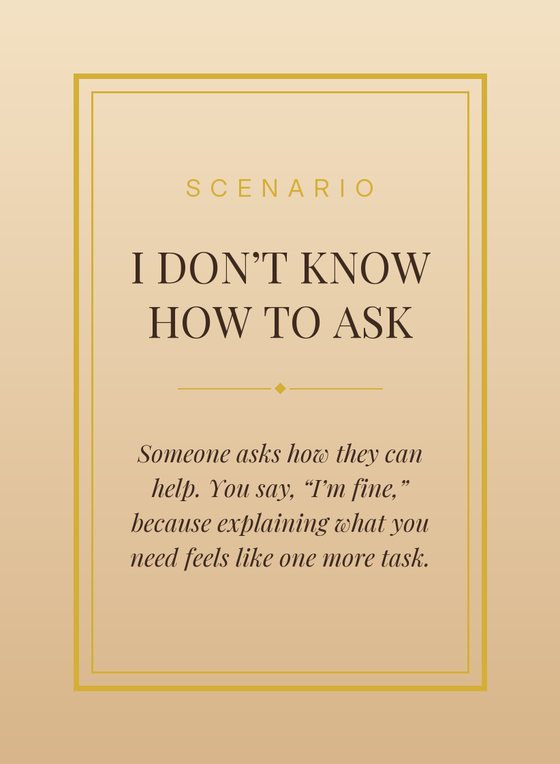
01 · The starting point
It's hard to answer “How are you, really?”
Many people struggle to name what they feel, or freeze when someone asks a direct question. That's especially true when roles are changing — a spouse becoming a caregiver, a parent needing help, a person learning to accept it.
A card offers language you can recognize, consider, accept or reject. “That's me.” “Not quite.” “Not today.” Each of those is a useful answer, and each is yours to give.
02 · Why cards
A familiar, low-pressure format
Choosing a card, holding it, reading it and setting it beside others gives you something concrete to do with your hands while your thoughts catch up. Most of us have played cards for years — the format feels approachable before the subject does.
The familiar format is meant to lower pressure and reluctance. There's no competition, no winning and no right answer.
03 · Discovery before solutions
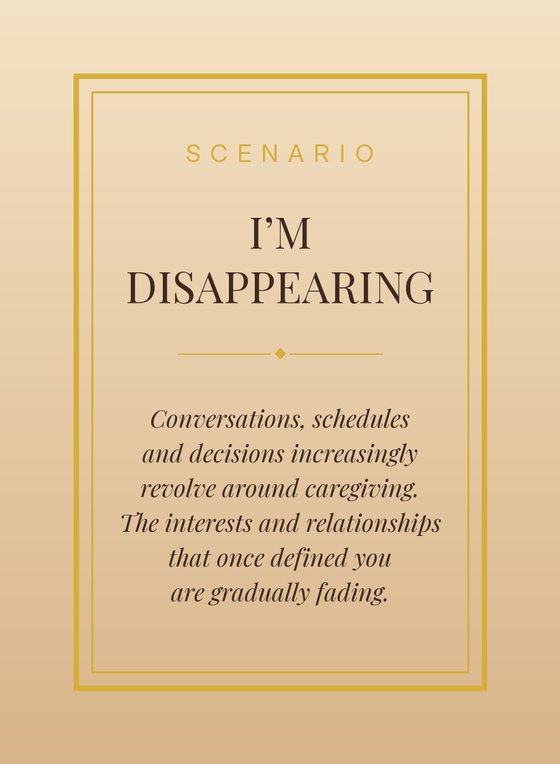
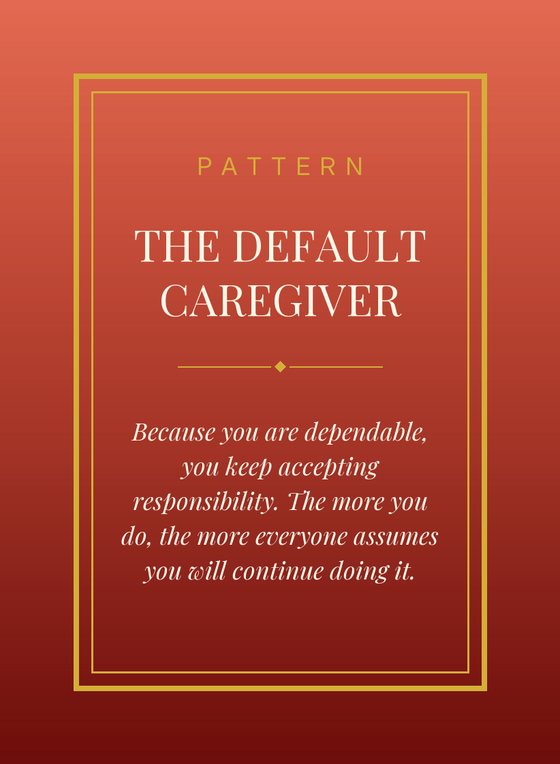
Scenario, then Pattern, then Growth
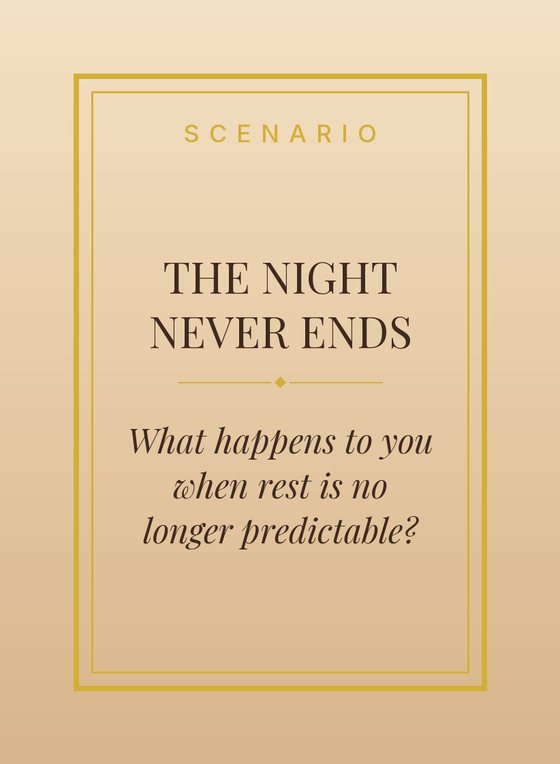
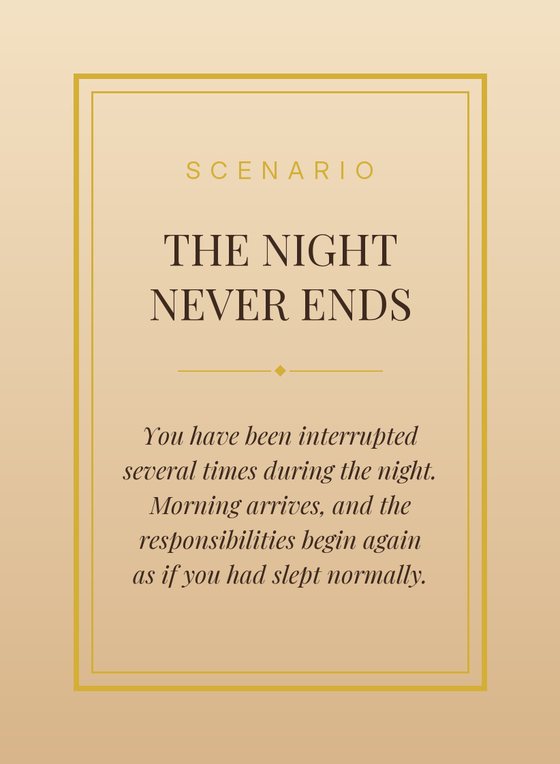
Scenario
Names a moment you may recognize.
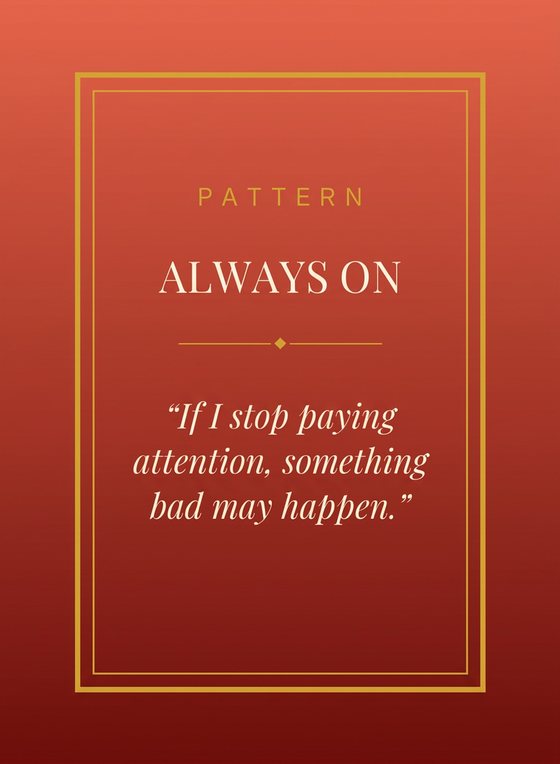
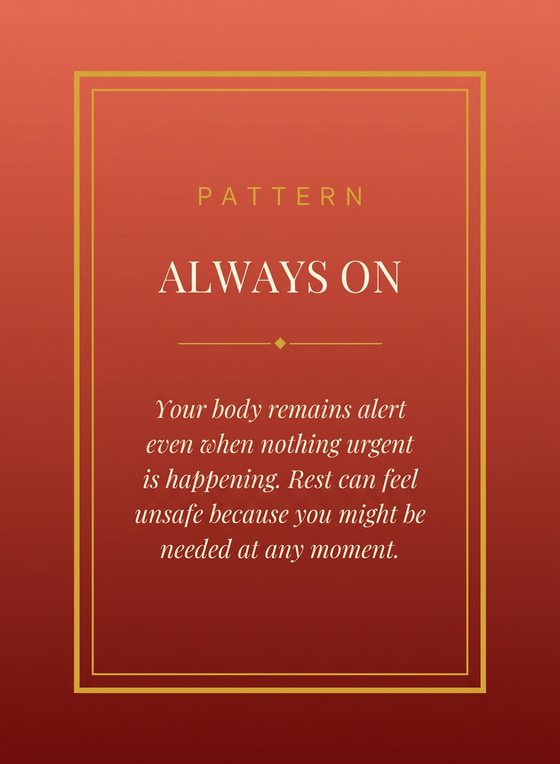
Pattern
Describes what may be going on underneath.
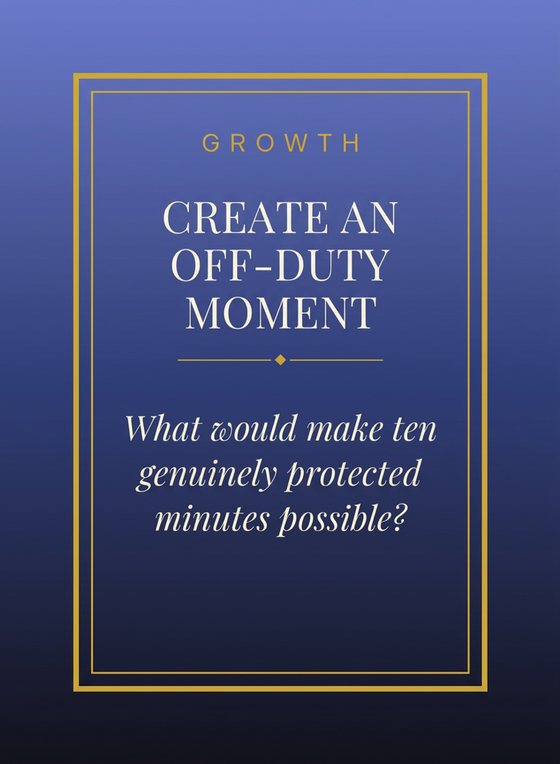
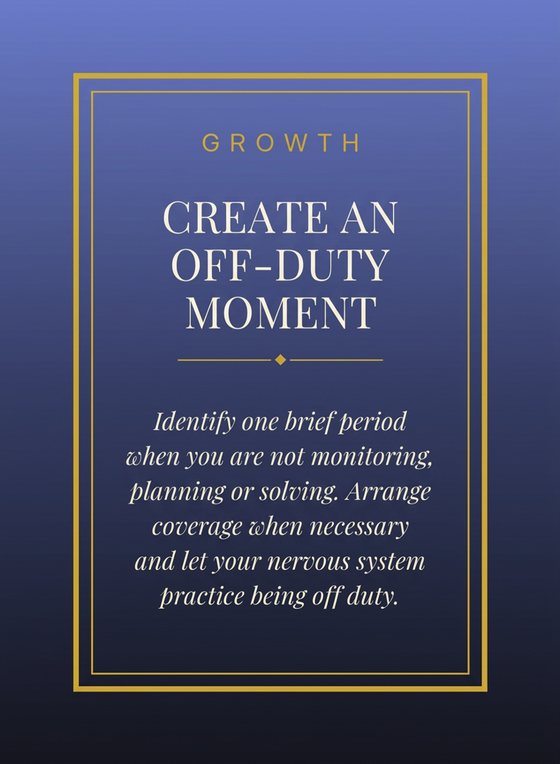
Growth
Offers one small, practical step to try.

Cards are written with clinical input from our co-founder, Ashinee Reynolds, LMFT.
Founder/Director of Clinical Strategy & Innovation
The Discovery First model
The missing first step
- 1
Discover
what is really happening.
- 2
Express
what you are feeling.
- 3
Connect
with the right people and resources.
- 4
Practice
constructive actions and conversations.
- 5
Refer
to professional support when appropriate — with more awareness and clearer words.
The Change Between Us is not a therapeutic platform. It's a set of tools to assist individuals and the professionals who support them.
04 · Ways to take part
Your pace, your choice
Private reflection
Read a card on your own and notice what fits. No one else needs to see it.
Preparing for a conversation
Use a card to sort out what you want to say before you say it.
A shared conversation
Lay a card on the table with a spouse, parent, adult child or friend and let it open the topic.
With a professional
Bring a card to a counselor, care manager or therapist as a starting point.
05 · Designed for older adults
Simple to hold, simple to start

- A tangible format. Printed cards with large, clear type. Nothing to download or log in to.
- Clear instructions. Choose a card, read it, consider the question. That's all.
- Personal choice. You decide which cards to pick up, which to put down and who, if anyone, to share with.
- A voice for everyone. Receiving care doesn't remove a person's voice or agency. The approach is meant to make room for both people's feelings and choices.